*Please note that this website portfolio is designed as a visual walkthrough of the Immersion: Transcendent Light installation. Though, the text does accompany the audio-visual content, the focus inherently lies in the technical and visual design. Thus detailed information about the theoretical and artistic background of this AIR project can be found in the accompanying critical report.
In this section you will find:
- Installation concept explained
- The inspiration behind this project
Installation Concept Explained
For centuries art encounters have been reported to produce transformative, enlightening and transcendent effects in viewers. To fully experience the transformative phenomenon one must be completely present and engaged in the experience of art. This became increasingly difficult in the fast-paced and overstimulated contemporaneity, many viewers are disconnected and distracted when experiencing art.
This AIR project argues that immersive light art is capable of changing and redefining our experience of the world, employing light and colour to create installations transcending three-dimensional reality. These installations re-imagine spaces and actively engage viewers in integrating and reorienting their experience, thereby changing perceptions and bringing awareness, resulting in transformative effects.
Immersion: Transcendent Light is a light installation, produced for this AIR’s artistic inquiry of the transformative phenomenon. It took inspiration from immersive light art at large, but namely from pioneering artists such as James Turell, Olafur Eliasson, Ryoji Ikeda, and Nick Verstand who use light and perception to place viewers in direct experience of themselves and their surroundings. Specifically, Turrell employs the Ganzfeld effect to achieve this, which is a German term describing perceptual deprivation experience in which the entire field of vision is filled with solid, undifferentiated colour.
Immersion: Transcendent Light borrows elements from Ganzfeld environments, it is designed to create a hyper-aware and mindful state of perception through the process of looking at a minimalist, seemingly empty space filled with light and colour that allows understanding how the reality you see and experience is formed.
This atmospheric installation used light and colour to envelop the entire space and visitors, erasing the distinction between what is ‘real’ and what is merely perceived as realness. It comprises of an enclosed, cylindrical canopy animated by an array of advanced colourful LEDs. As one colour morphs into the next so do the viewer’s experience.
Immersion: Transcendent Light aimed to produce mental, emotional, and spiritual transformation so that each visitor can leave feeling reset or changed in some way. Light and space were carefully collated for the viewers to experience themselves simultaneously with the environment, thereby allowing a reality based on preconceived notions and future expectations to dissolve so that new ways of thinking and perceiving can emerge instead.
As Dawna Schuld states “in a new sense of perception and with one’s heightened senses now attuned to the subtleties of the conscious fringe, one will encounter a more vivid world than the one we left behind”.
i
Inspiration Behind the Project
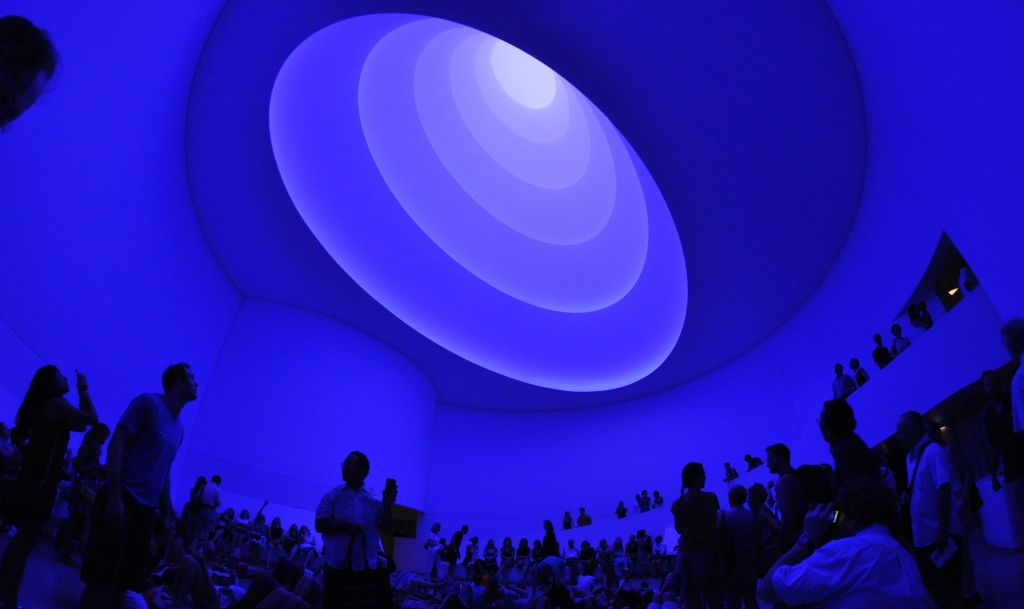
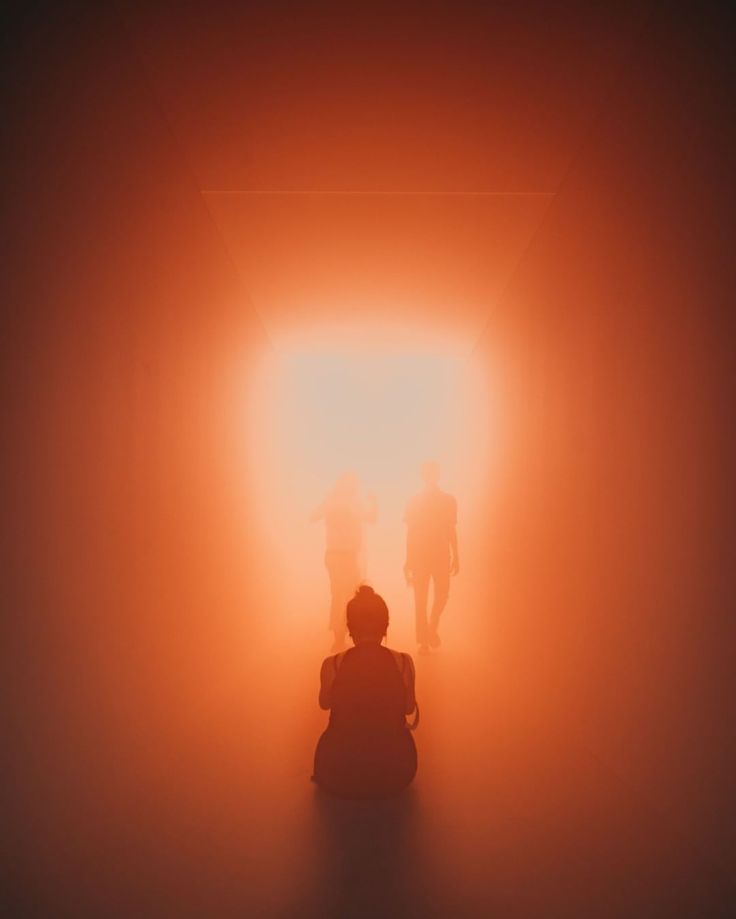
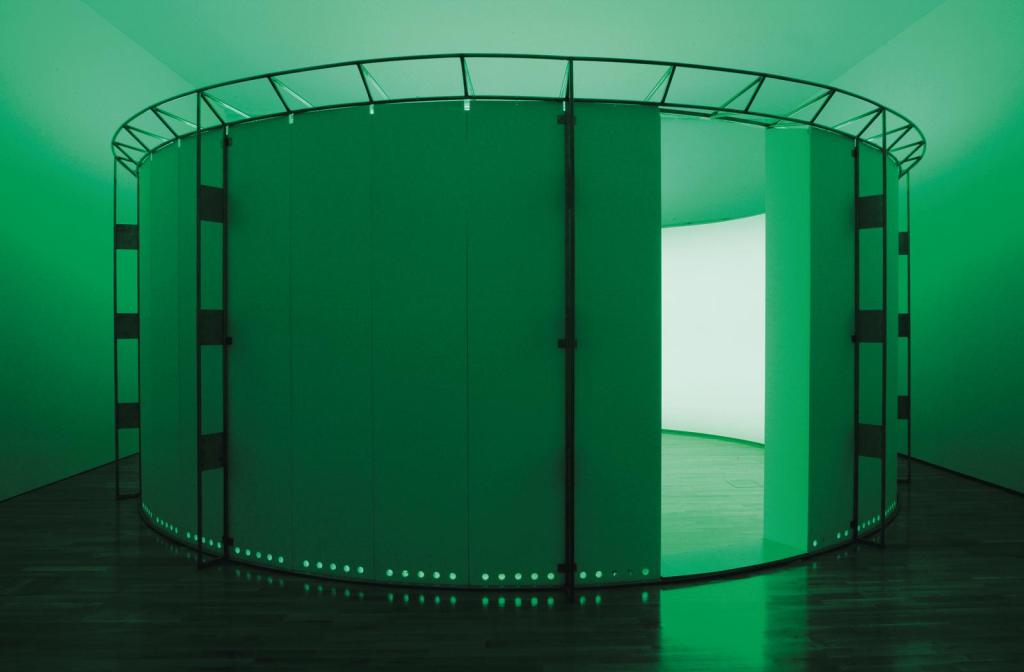
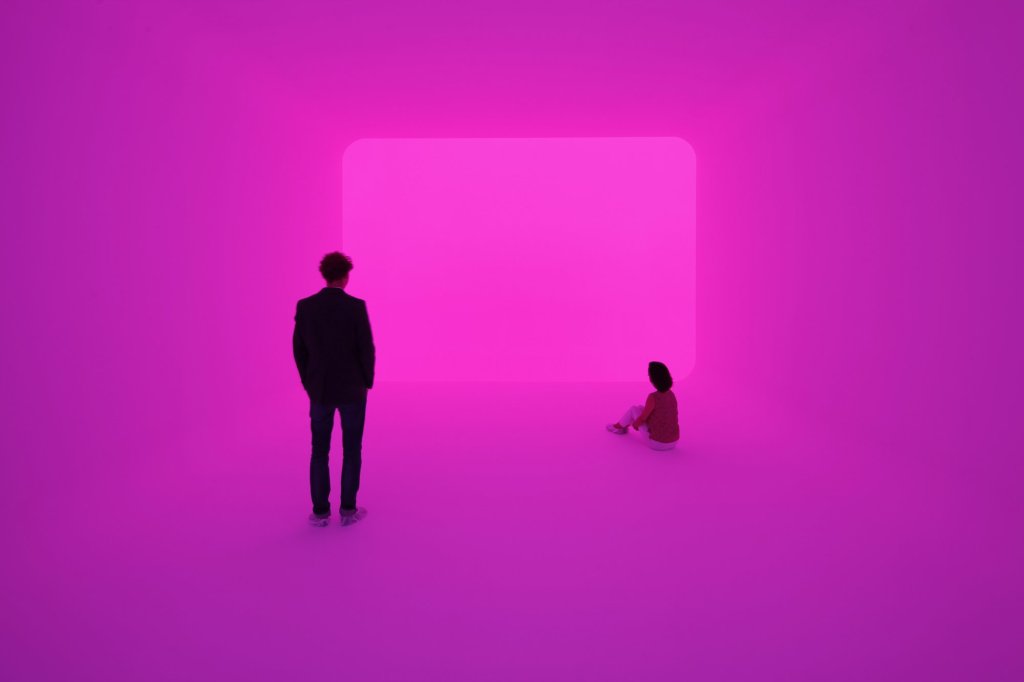
Immersive Light Art encompasses a wide variety of work, taking influences from Installation, Participatory, and Light and Space practices originating from the 1960s. Due to the wide scope of the artworks, this project focuses on delineating key aspects of the genre, focusing on the pioneering works of James Turell and Olafur Eliasson, whose enormous impact not only continually shapes the genre but effectively inspires the work of newly emerging light artists.
The images showcase the works which served as inspiration for the design of this installation. Further visualisations can be found in the LIGHT AND COLOUR DESIGN section.
 Immersion: transcendent light